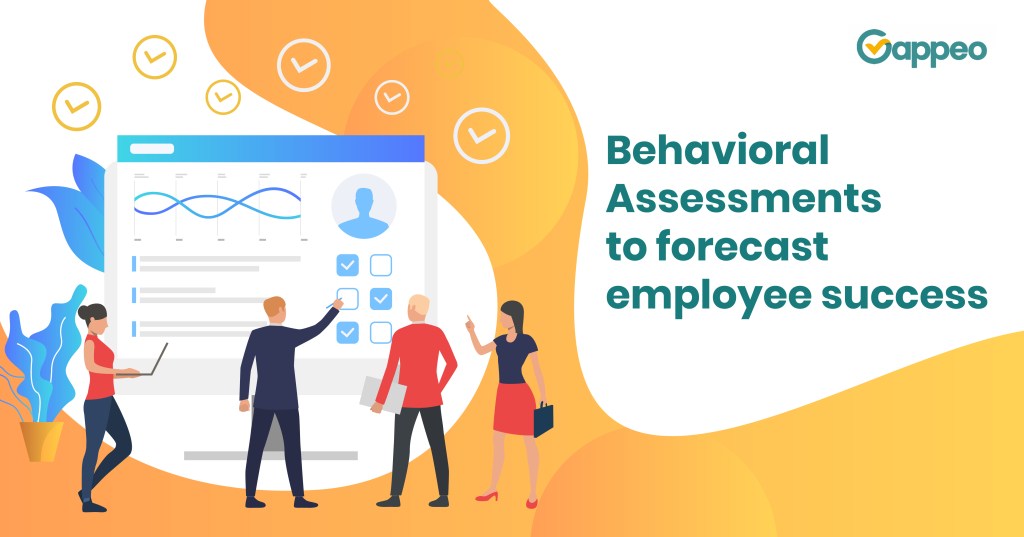
In today’s competitive job market, organizations are constantly seeking ways to enhance their hiring processes and ensure they select the right candidates. Behavioral assessments have emerged as a powerful tool for predicting job performance and cultural fit within an organization. These assessments evaluate candidates’ behaviors, personality traits, and cognitive abilities, providing valuable insights that can lead to more informed hiring decisions. For staffing agencies and mid-sized companies, leveraging behavioral assessments can significantly improve team dynamics and reduce turnover rates.
Understanding Behavioral Assessments
What are Behavioral Assessments?
Behavioral assessments are structured evaluations designed to help organizations understand how a candidate’s personality and behavior align with job requirements and company culture. By analyzing various traits, these assessments provide insights into how candidates may perform in specific roles, allowing employers to make data-driven hiring decisions.
Types of Behavioral Assessments
- Personality Tests: These tests measure traits such as extroversion, agreeableness, and emotional stability. They help employers gauge how a candidate might interact with others in the workplace and their potential for collaboration.
- Situational Judgment Tests: These assessments present candidates with hypothetical scenarios to evaluate their decision-making and problem-solving skills in real-world situations. This type of assessment helps predict how candidates might handle challenges they may face on the job.
- Cognitive Ability Tests: These tests assess a candidate’s reasoning, memory, and problem-solving abilities. They provide insight into a candidate’s potential to learn and adapt in a new role, which is crucial for long-term success.
Implementing Behavioral Assessments in Your Organization
Steps to Integrate Assessments
- Identify Objectives: Determine what you want to achieve with behavioral assessments, such as improving hiring accuracy or enhancing team dynamics. Clear objectives will guide the selection of appropriate assessment tools.
- Choose the Right Tools: Research and select assessment tools that align with your objectives and company culture. Providers like Predictive Index and Hogan Assessments offer comprehensive solutions tailored to various organizational needs.
- Train Staff on Assessment Interpretation: Ensure that hiring managers and HR personnel are trained to interpret assessment results effectively. Integrating these insights into the hiring process is crucial for maximizing the benefits of behavioral assessments.
Learn More – Gappeo Talent and Skill Assessment Platform
 Gappeo AI
Leave a comment